




Tour Edge Exotics Drivers Review
Disclosure: Clubs are sometimes provided to H.I.T Golf by manufacturers, but brands never pay for our verdicts or get to approve our reviews. All opinions are my own, based on our testing. Some links may be affiliate links, which help support our content at no extra cost to you.
Tour Edge has been making clubs for 40 years, and the Exotics line is now into its 20th year. It’s always been their “proper” performance range – the stuff us gear nerds whisper about, but you still don’t see many of their drivers in the average weekend fourball.
That might be about to change.
Tour Edge has had a bit of a glow-up recently. New logo, new styling, and what they’re calling “a bold new chapter for the brand.” Nice marketing line, but the important bit is what happens when you actually hit the thing. When we put the brand new Exotics Max and LS drivers through their paces and started seeing some of the best numbers of the year, one question kept nagging away:
If these drivers are this good, why aren’t more of us using them?
Let’s get into what they’re like to look at, how they performed in testing, and whether they’re a genuine HIT… or still a bit of a miss.
Tech & Lineup Overview
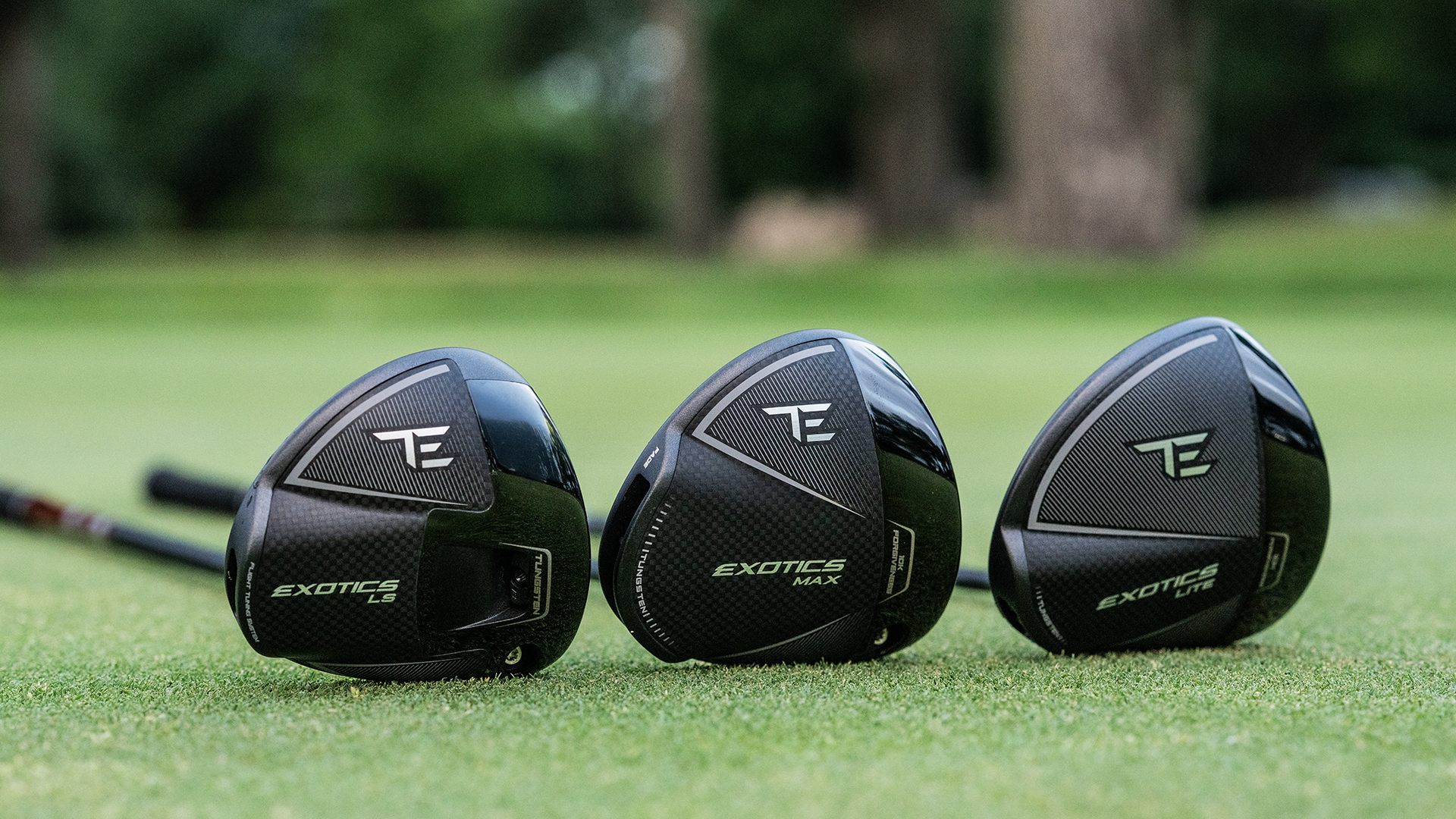
Tour Edge has kept the driver family nice and simple with three heads that all have a clear job.
The Exotics Max is the big, confidence-inspiring one at 460cc. It’s built for forgiveness, with 10K+ MOI and a chunky 18 g weight in the back that you can move into the heel or toe. It’s very much the “point and shoot” option for players who just want the ball to stay on the planet.
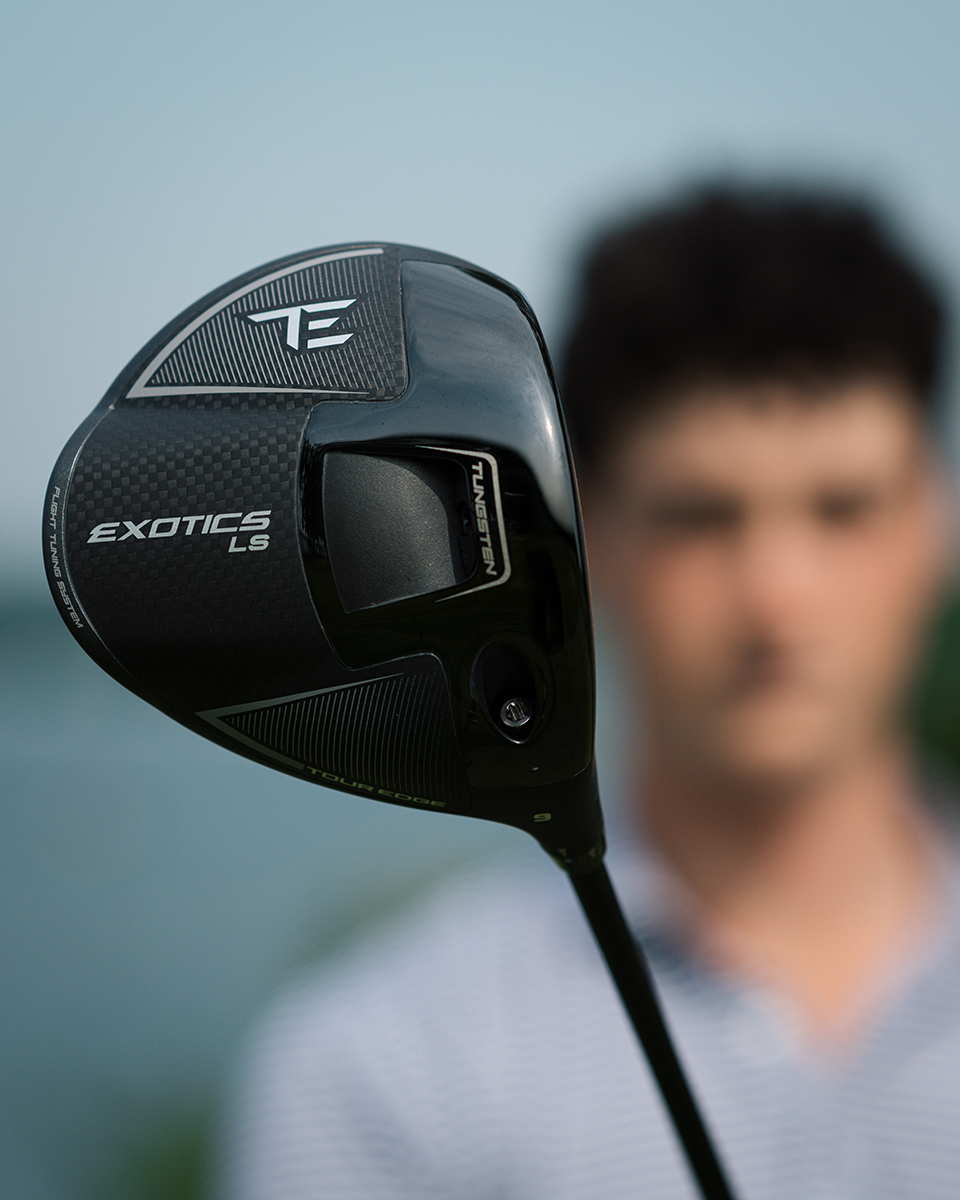
The Exotics LS drops down to 440cc and is the hot one in the family. You get an 18 g and a 5 g weight that can be swapped front to back, so you can chase a bit more forgiveness with the heavy weight in the rear or lower spin by shifting that weight forward.
Then there’s the Exotics Lite, which we didn’t test here. On paper it’s the lightweight, draw-biased option aimed at slower swing speeds and golfers who are sick of watching the ball peel off to the right.
For this test we focused on the Max and LS: realistically the two heads most mid-to-better players will be choosing between.
Shared Technologies
Under the skin, all three drivers are built around the same tech story.
You get a carbon crown and carbon sole, which frees up weight so Tour Edge can shove the centre of gravity nice and low. That’s what helps you get the ball in the air without adding a load of spin and gives them a good chunk of built-in forgiveness.
On the face you’ve got Pyramid Face Technology – a variable-thickness pattern that’s designed to hold ball speed when you don’t quite find the screws. Think of it as a bit of insurance for those low-heel or high-toe contacts we all pretend we don’t hit.
Holding it all together is a 360° Titanium Ridgeback frame, basically a structural spine around the head. That’s there for stability and to control how the face flexes, which in theory means more consistent ball speeds and tighter dispersion.
On paper, it’s exactly the kind of spec sheet you’d expect from a big OEM – just without the big OEM price tag.
Looks & First Impressions
Straight out of the headcover, these look… cool. As in: “I’m happy putting this down next to anything from the big brands” cool.
Both heads have a matte carbon crown, which kills glare and gives them a stealthy, modern feel over the ball. No busy alignment aids, no mad colours – just a clean, confident look.
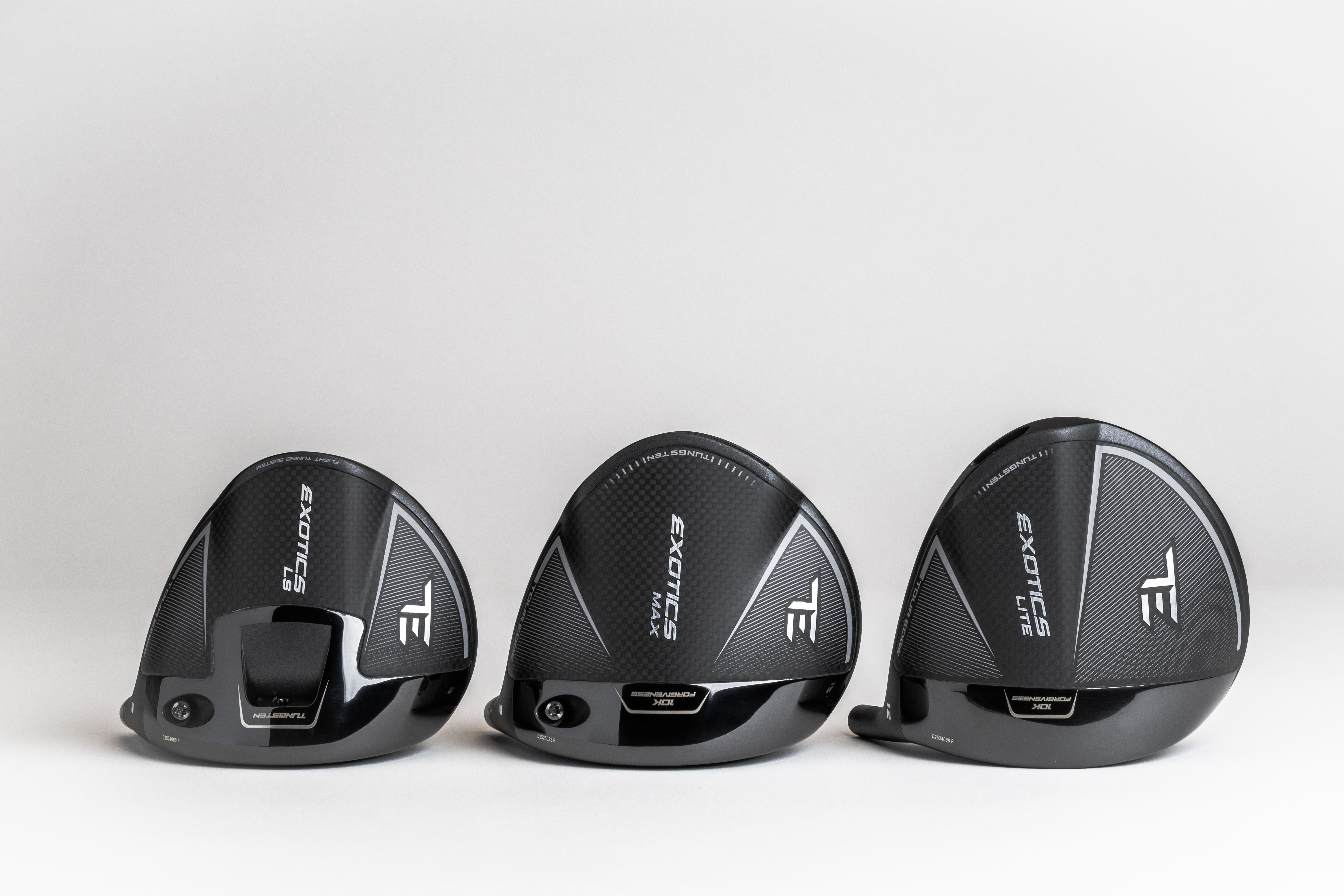
Flip them over and the sole combines that carbon weave with subtle graphics and the Ridgeback structure. It manages to look premium without screaming at you. If you like your driver to look modern but not like a spaceship, this hits a nice balance.
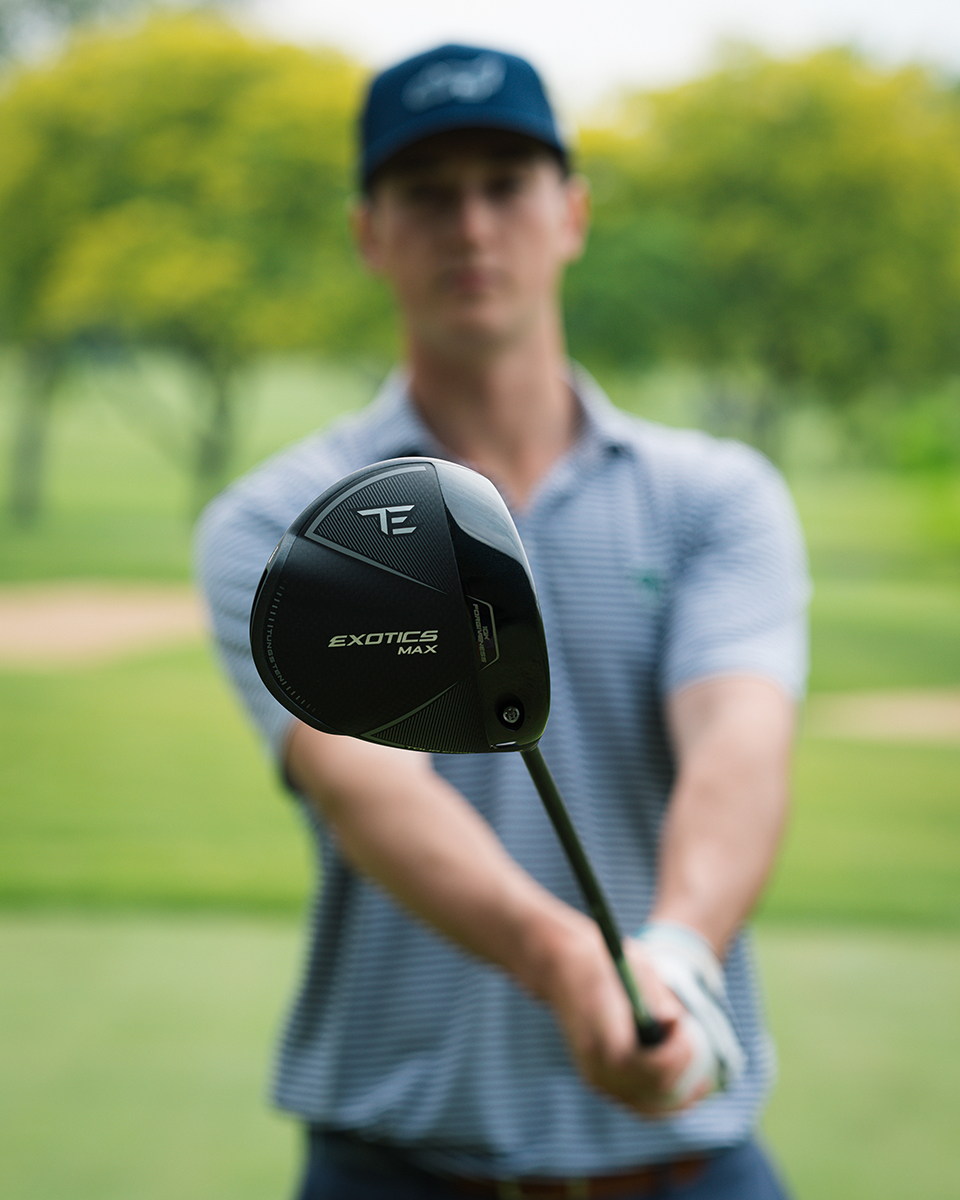
At address, the Max has a slightly triangular profile with the back edge pinching away from the face. It very clearly says “I’m going to help you out on a bad swing”, but it still sits square and doesn’t feel like a shovel.
The LS is noticeably more compact at 440cc and, if anything, looks a touch smaller than that. It sits a fraction flat, which I actually quite like as a natural drawer of the ball, and the overall vibe is more “players driver” – somewhere between a TaylorMade head shape and the way a Callaway tends to sit.
If you’ve always had Tour Edge mentally filed under “senior golfer brand”, this Exotics refresh is very obviously trying to change your mind. For me, visually, it does.
Performance Testing – Distance, Forgiveness & Spin
All the numbers below come from launch monitor testing with a swing speed in the 110–112 mph range. Both drivers were set at 9° with stock Fujikura Ventus-style shafts.
Exotics Max
We started with the Max in a totally neutral position: 9° of loft, standard lie, and the 18 g weight parked right in the middle at the back.
Straight away it was doing all the right things. Average carry was sitting around 280 yards, rolling out to about 302 yards total. Spin was living in that lovely 2,100–2,200 rpm window – high enough to keep the ball in the air but not so high that it ballooned. Ball speed was hovering around 158 mph from roughly 110 mph club speed, which is bang on my “perfect driver” number.
The only slight negative was the shot pattern. Everything wanted to hang a touch left – a mix of gentle over-draws and a couple of stronger pulls – which is my natural miss anyway. That’s where the adjustable weight came into play.
Moving the Weight into the Toe
Tour Edge reckons shifting the 18 g weight into the toe (the fade setting) should move your pattern about 7 yards to the right. In the real world, that’s pretty much what we saw.
Distances barely changed, spin only crept up a fraction, but the dispersion ring clearly shuffled further right. Once you take out one horrible snap-hook that ruined the averages, the finish positions are either bang on the line or just right of it instead of hugging the left edge.
If I was putting the Max in the bag, I’d 100% have it in that toe-biased fade setting. It takes that left-side fear away without punishing the good swings.
In short: the Max gives you very playable launch and spin straight out of the box, it’s properly forgiving across the face, and the weight tweak actually does something useful.
Exotics LS – Low-Spin Rocket
On paper, the LS is the one you buy when you want to hit bombs. Compact head, low spin, more weight options… It looks like the “big dog” of the family.
We set it up at 9° again, with the heavy 18 g weight in the back and the 5 g up front. The slightly cheeky goal was to see if we could average 290 yards carry.
We didn’t quite get there, but we weren’t far off: 289 yards average carry, around 160 mph ball speed, 112 mph club speed, and spin just the right side of 2,000 rpm. So yes – it’s quick.
What impressed me more, though, was how well it held its numbers on mishits. A heel strike that honestly felt like I’d skimmed the top of the ball still carried about 282 yards. A proper flush one produced the fun stuff: 301 carry, 162 ball speed, spin in the 1,850–1,900 rpm window and only about a dozen yards offline.
We did think about moving the heavy weight into the front, as Tour Edge says that can shave roughly 300 rpm off the spin. But with a few shots already dipping under 2,000 rpm, that felt like a fast track to “fall out of the sky” territory. For my swing, heavy weight back was absolutely the right call.
Bottom line on the LS: it’s faster and longer than the Max if you’ve got the speed and strike to use it, the spin is aggressive but playable, and for a 440cc low-spin head it’s more forgiving than you’d expect – just not quite as idiot-proof as the Max.
Adjustability & Fitting
Both heads give you enough adjustability to make a real difference without turning into a science project.
You’ve got a loft sleeve that lets you add or remove up to 2° of loft and go into more upright settings if you need to. That’s handy if you either struggle to launch it or you want to take a bit of loft off and chase a flatter flight.
On the Max, the single 18 g heel–toe weight is brilliantly simple: stick it in the middle for neutral, move it to the heel for more draw, or into the toe if you want to fight a hook.
On the LS, the 18 g and 5 g front–back weights let you choose between a slightly higher-spin, more forgiving setup (heavy at the back) or a flatter, more penetrating flight (heavy up front). It’s the sort of thing a proper fitting will get the most out of, but even on a range it’s not hard to dial in.
Stock shafts are Fujikura Ventus-branded options in various weights and flexes. They’ll catch the eye of a lot of golfers on name alone, but as always, if you’re spending this much on a driver it’s worth getting properly fit rather than just buying the logo.
Value for Money
In the UK, these drivers are coming in at around £379. That drops them into a really interesting gap in the market.
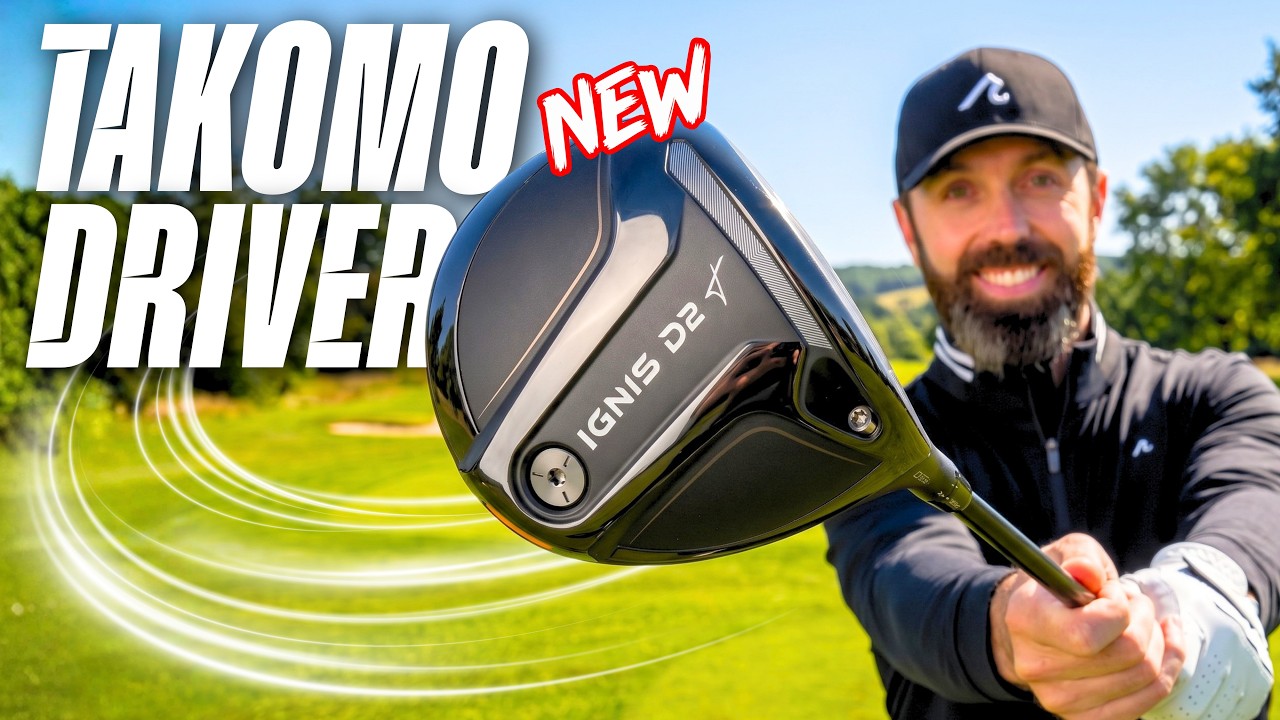
On one side, you’ve got the big boys – Titleist, Callaway, Ping, TaylorMade, all creeping towards or past £500 for a new driver. On the other hand, you’ve got direct-to-consumer brands like Takomo and Vice offering cheaper options but with less of that “tour ready” feel.
Tour Edge Exotics sits neatly in the middle: big-brand tech and performance, slightly friendlier price. The only real trade-offs are brand familiarity and resale value. You’re not going to walk into every pro shop and see a wall of Tour Edge heads, and the second-hand market isn’t as lively as it is for, say, a Ping or a TaylorMade.
If you can look past that, though, the value proposition is very strong.
Who Should Play the Tour Edge Exotics Drivers?
Exotics Max – Forgiveness First
The Max is tailor-made for golfers who just want to hit more fairways and keep the ball in play. If you’re a mid-to-high handicap, your miss is more about strike location than wild launch and spin numbers, and you like the idea of a “max MOI” head with one simple weight to tame a slice or hook, this is your one.
Set it up in neutral or fade if you fight a left miss, maybe add a touch of loft if you struggle to launch it, and you’ve got a really friendly driver that doesn’t ask for perfection.
Exotics LS – For the Confident Driver
The LS is for golfers who enjoy hitting driver and aren’t scared of seeing a bit of shape. If you’re a strong ball-striker, probably mid or low handicap, swinging it at 105 mph+ and wanting to keep spin on a leash, this head makes a lot of sense.
Keep the heavy weight in the back for that blend of speed and forgiveness, and only shove it forward if you truly know you need less spin. It rewards a good swing with proper “big boy” numbers.
Pros & Cons
Pros
- Top-tier ball speed and distance, especially from the LS.
- Max model is genuinely one of the most forgiving drivers we’ve tested this year.
- Modern, premium look, a big step up from older Tour Edge aesthetics.
- Adjustable weights that actually change ball flight in a noticeable way.
- Pricing that undercuts most of the mainstream premium competition.
Cons
- Brand still flies under the radar, plenty of golfers will overlook it on name alone.
- LS head can look a touch small and intimidating if you’re not confident with driver.
- Ventus-branded stock shafts look great, but you still need to make sure you’re fit into the right spec, not just buying the label.
Final Thoughts
From a pure performance point of view, there is absolutely a world where I put one of these in my own bag.
The Max hits that lovely sweet spot of easy launch, sensible spin, a big forgiveness window and simple, effective adjustability. It just makes golf off the tee feel a bit easier.
The LS is the one that tempts the ego. It feels hot, it’s quick, and it still gives you more protection than you’d expect from a compact, low-spin head. When you catch it, the numbers are properly fun.
The only real hesitation I think many golfers will have is psychological rather than performance-based: it’s not the brand you see plastered all over the tours, and that does sway people more than they like to admit.
But if you’re willing to look past the badge and judge it on what it actually does to your ball flight, the new Tour Edge Exotics drivers are, for me, absolutely a HIT.
ABOUT THE AUTHOR
Ben is the Equipment Editor at H.I.T Golf, where his job is to cut through the noise and tell you which clubs are actually worth putting in the bag. Originally from Australia and now based in the UK, Ben is permanently tinkering with his setup and testing everything from bargain drivers to tour-level blades.
Ben believes golfers deserve honest, clubhouse-style advice rather than recycled marketing claims. That means his reviews are built on real testing, launch-monitor data, not sales sheets. If a club is great, he’ll tell you why. If it’s over-hyped, he’ll tell you that too.
Most of all, Ben believes golf should be fun. His goal is to help you find gear that fits your game, your budget and your eye, so you can stop stressing about equipment and start enjoying your next round.


